Ask anyone who has juggled early flights, stacked meetings, and a late workout, and you will hear the same refrain: energy is the currency that buys your best day. Food, sleep, and training lay the foundation, yet there are moments when you need a quicker lift or a steadier arc. That is where IV infusion therapy enters the conversation. Delivered through a catheter that threads into a vein, an find iv therapy near me energy drip can replenish fluids and deliver nutrients at concentrations that oral supplements rarely match, bypassing the gut’s absorption bottlenecks. It is not a magic bullet, but used judiciously, it can sharpen focus, smooth out fatigue, and shorten recovery between demanding days.
I have overseen thousands of intravenous therapy sessions in clinical and wellness settings, from hydration IV therapy after intense events to tailored energy IV therapy for executives flying in for one-day summits. The core lesson is simple: the ingredients matter as much as the technique. What follows is a grounded look at the compounds that consistently pull their weight in an energy drip, the science that supports them, the trade-offs, and how to choose the right IV treatment for your situation.
What an Energy Drip Actually Does
Energy IV therapy is a branch of intravenous therapy designed to improve hydration status, restore micronutrients that feed cellular energy pathways, and reduce symptoms that steal energy such as headache, nausea, and brain fog. Think of it as a short course correction for your internal environment. Most IV drips for energy combine three pillars: isotonic fluids for rehydration, vitamins that drive mitochondrial metabolism, and minerals and antioxidants that modulate stress and inflammation.
IV fluids therapy, typically normal saline or lactated Ringer’s, can quickly correct mild to moderate dehydration. Even a 1 to 2 percent drop in body water can cut endurance and attention, which is why IV rehydration therapy has become a tool for athletes and first responders working in heat. The vitamins and minerals target ATP production, neurotransmitter synthesis, and muscle and nerve function. Antioxidants address oxidative stress that can make a hard week feel like a hard month.
None of this replaces sleep or nutrition. IV wellness therapy works best as an addition to smart habits, not a substitute. The most satisfied clients schedule intermittent sessions around predictable stressors, like heavy training blocks, big travel windows, or post-illness recovery.
The Hydration Backbone: Saline Choices and Why They Matter
Every energy drip sits on a base of fluid. Two solutions dominate: 0.9 percent normal saline and lactated Ringer’s. Both are crystalloid fluids used in medical IV therapy that expand plasma volume and enhance perfusion.
Normal saline is sodium chloride in water, straightforward and well tolerated. It is a mainstay for iv saline therapy and saline IV drip packages. Lactated Ringer’s includes sodium, chloride, potassium, calcium, and lactate, which the liver converts to bicarbonate. For people prone to cramping after long sweat sessions, lactated Ringer’s can feel gentler. If a patient has severe liver disease or certain electrolyte imbalances, normal saline is often preferred. In an energy drip, either works, but I tend to choose lactated Ringer’s for athletes and normal saline for general fatigue IV therapy and hangover IV drip protocols.
Volume matters. For routine iv hydration therapy, 500 to 1,000 mL runs over 30 to 90 minutes. If you are petite, sensitive to fluids, or have a cardiac history, a lower volume with slower infusion is safer. This is where personalized IV therapy pays off. A good clinician starts with your resting vitals, asks about ankle swelling or shortness of breath with exertion, and adjusts the plan.
Vitamins That Move the Needle
The workhorses of vitamin IV therapy for energy are the B family and vitamin C, often joined by other cofactors. Oral versions help, but intravenous vitamin therapy reaches higher peak levels and avoids GI upset at larger doses.
B complex IV therapy is foundational. Thiamine (B1) is essential for carbohydrate metabolism, particularly pyruvate dehydrogenase activity, the gatekeeper for converting carbs into energy. It becomes top priority if you are fasting, low carb, or recovering from alcohol intake. Riboflavin (B2) and niacinamide (B3) support electron transport and redox reactions, while pantothenic acid (B5) helps build coenzyme A, central to fatty acid oxidation. Pyridoxine (B6) participates in neurotransmitter production, which explains why some clients report mood lift and less premenstrual fatigue after infusions that include it. Biotin and folate round out the set for metabolic and methylation pathways. In practice, a balanced B complex avoids spikes and crashes compared with high-dose single B injections.
Vitamin C IV therapy supports catecholamine synthesis, collagen repair, and immune signaling. At moderate doses common in wellness drip formulas, it can reduce perceived fatigue without the jitter of stimulants. High dose vitamin C IV gets discussed for immune support and recovery, but it is not essential for everyday energy and should be administered by clinicians familiar with G6PD screening and osmolarity risks.
Magnesium IV therapy comes up in nearly every energy-focused infusion I build. Magnesium sits at the center of ATP, literally bound as Mg-ATP, and modulates NMDA receptors that influence stress reactivity and sleep quality. In a practical sense, magnesium can take the edge off tension headaches and muscle tightness, which is why it is the anchor of many migraine IV therapy protocols. Most clients feel calmer and clearer within an hour when magnesium is included.
Zinc IV therapy is not a standard element of energy drips, but small doses show up in immune support IV therapy. Too much zinc can cause nausea if infused rapidly, so I prefer oral zinc in most cases and save IV zinc for targeted immunity IV therapy when a clinician can monitor symptoms.
The Antioxidants and Why They Are Not All the Same
Antioxidant IV therapy is often touted as the secret sauce. The truth is more nuanced. The body maintains its own antioxidant network. The goal of IV antioxidant therapy is to support that network during periods of stress without dampening normal training adaptations.
Glutathione IV therapy is the standout. Glutathione functions as the cell’s primary redox buffer, and intravenous glutathione IV drip can transiently raise plasma levels. People often report brighter focus, lighter muscle feel, and sharper skin tone the next day, which explains why beauty IV therapy and skin glow IV therapy packages often include it. The catch is dose and timing. Too much glutathione right after strength training could blunt some beneficial oxidative signaling. I schedule glutathione after lighter sessions or rest days, or at least 6 to 8 hours after heavy lifts.
Alpha-lipoic acid sometimes appears in detox IV therapy menus. It recycles other antioxidants and helps glucose handling. It must be infused slowly, and some feel temporary lightheadedness. If your goal is a quick energy lift without any flicker of nausea, it is optional.
N-acetylcysteine, the glutathione precursor, is usually an oral tool, but it can be delivered intravenously under medical supervision. It carries a higher risk of infusion reactions, so I rarely include it in wellness IV therapy unless there is a clear medical indication.
The Myers Cocktail IV: A Reliable Baseline
The Myers IV therapy formula has become a shorthand in the field for a balanced nutrient infusion. While recipes vary by clinic, a classic Myers cocktail IV includes magnesium, calcium, B complex, vitamin C, and sometimes a trace of minerals. It is not flashy, but it delivers consistent results for people with vague fatigue, post-travel malaise, or mild migraine aura. I often use a Myers base then layer in targeted elements like taurine for focus IV therapy, or additional fluids for dehydration IV therapy.
If you are new to IV vitamin infusion, a Myers-based session provides a safe, predictable starting point. From there, iv nutrient therapy can be customized to your response and goals.
Amino Acids That Keep the Engine Smooth
Not every energy drip needs amino acids, but selective use can make a good infusion great. Taurine is my first choice. It modulates calcium handling in muscle, stabilizes cell membranes, and supports bile acid conjugation. Subjectively, many clients feel steadier mental energy and less caffeine dependency for a day or two after a taurine-augmented vitamin drip. It pairs well with B complex and magnesium.
Carnitine is another option for metabolism IV therapy, ferrying fatty acids into mitochondria. Endurance athletes sometimes notice improved recovery with L-carnitine added to sports IV therapy, especially when refueling after long runs or rides. It is not a stimulant, so do not expect a “pop,” but it can support the next day’s session.
Branched-chain amino acids are better taken orally around workouts. Intravenous forms exist but add complexity without clear advantage in most wellness settings.
Special Cases: Fatigue, Hangovers, Migraines, and Jet Lag
Drips marketed as hangover IV therapy or hangover IV drip rely on three effects: rehydration, liver support, and nausea relief. A blend of fluids, B vitamins, magnesium, and optional antiemetics given as part of therapeutic IV infusion can reduce the thudding head and queasy stomach that ruin the day after. I avoid routine use of prescription anti-nausea drugs unless medically indicated. For mild symptoms after a celebration, hydrate and request a gentle nutrient infusion; for severe symptoms or persistent vomiting, a medical evaluation comes first.
IV migraine treatment draws from similar ingredients but emphasizes magnesium, riboflavin, and sometimes a small amount of ketorolac or other prescribed pain relief IV therapy. If migraine is new or atypical, do not mask it with a drip. Seek evaluation before considering an IV clinic.
Jet lag responds well to energy drip timing. I book mobile IV therapy at-home IV therapy within 12 to 24 hours of landing, with a low-sugar fluid base, B complex, magnesium, and a modest dose of vitamin C. Add glutathione if you did not perform a heavy strength session that day. The goal is not to override circadian cues, but to restore hydration and micronutrients so you can fall asleep on local time.
Chronic fatigue is more complicated. If fatigue is persistent for more than a few weeks, IV therapies can serve as adjuncts, yet they should not replace investigation into sleep disorders, iron status, thyroid function, infections, or mood drivers. A thoughtful integrative IV therapy practice will collaborate with your primary clinician rather than treat in isolation.
How IV Therapy Fits With Training and Work
Athletic recovery IV therapy can support high-volume training blocks when appetite drops and sweat rates climb. I structure sports IV therapy around two use cases. After back-to-back long sessions in heat, an infusion that emphasizes electrolytes, fluids, B complex, magnesium, and a small dose of taurine can help you wake up less stiff and more ready. Before competition, I avoid any new ingredients to prevent surprises.
For demanding cognitive work, brain boost IV therapy often means refining, not increasing, ingredients. Too many stimulatory compounds can feel jittery. A clean hydration drip with B complex, magnesium, and modest vitamin C is often enough. If you want a crisp focus without anxiety, skip large doses of nicotinamide mononucleotide or exotic compounds unless you know your response.
Sleep support IV therapy sounds appealing, but I would not rely on infusions to induce sleep. Magnesium helps relax, and hydration can reduce nocturnal cramps, yet the pillars remain a cool, dark room and a consistent schedule.
Safety, Sensation, and What an Appointment Feels Like
An experienced nurse or clinician should conduct a pre-infusion assessment: blood pressure, pulse, baseline symptoms, brief medication and allergy review. If you have heart failure, kidney disease, or uncontrolled hypertension, IV therapy services warrant extra caution and often medical clearance.
During the infusion, you will feel the pinch of the IV catheter placement, then a cool sensation as fluids begin. Magnesium can cause a gentle warmth or transient flushing. Vitamin B complex has a distinct scent some notice in their urine for a day. If anything stings or you feel lightheaded, speak up immediately. IV therapy safety is built on communication. Most sessions last 30 to 60 minutes; larger volumes or specialized compounds can extend to 90 minutes.
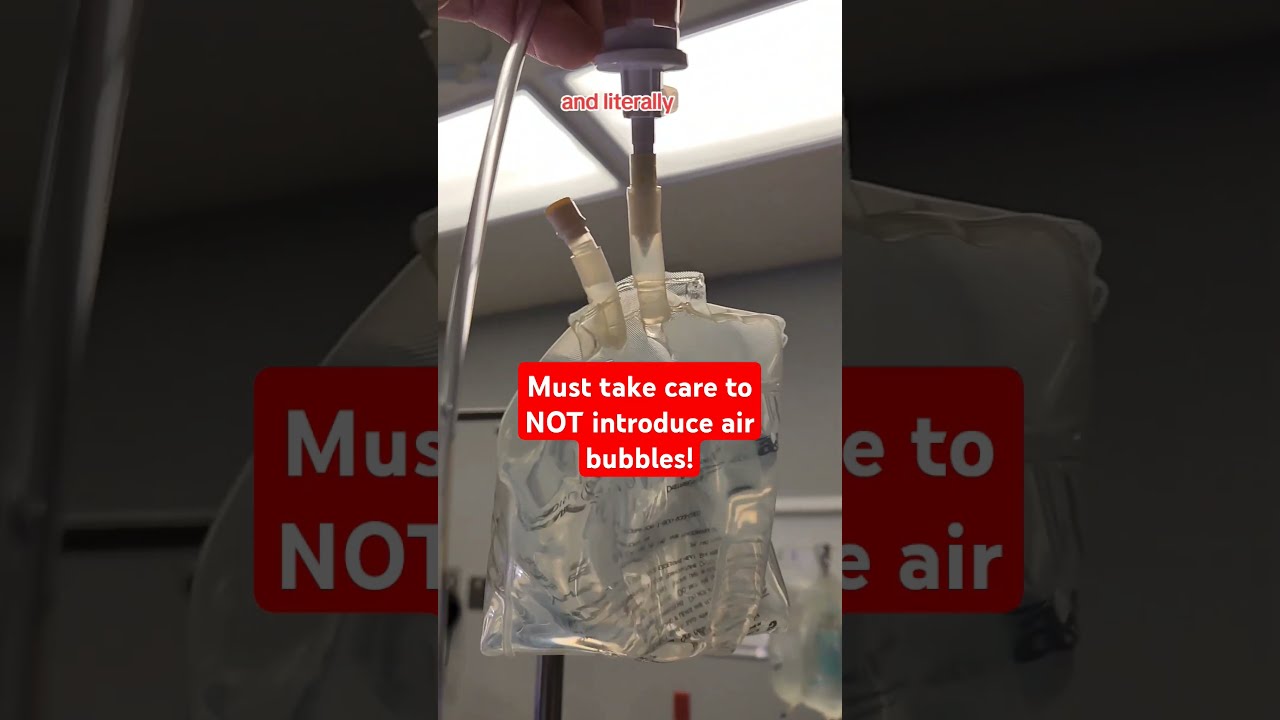
Side effects are uncommon but real. Bruising at the insertion site, temporary vein irritation, and lightheadedness are the most frequent. Rarely, allergic reactions or infiltration occur. Choose an IV therapy clinic that uses sterile technique, medical-grade supplies, and has protocols for adverse events. Ask how they screen for G6PD deficiency before high dose vitamin C IV and how they handle extravasation or vasovagal episodes.
As for IV therapy cost, expect wide ranges depending on location, ingredients, and whether a clinician prescribes medications in the mix. A simple hydration drip may start in the low hundreds, while custom IV therapy with glutathione, amino acids, and medications can run higher. Bundled IV therapy packages sometimes lower per-session cost. I advise clients to invest in fewer, better sessions rather than frequent bargain infusions that skimp on clinician time.
Customizing the Drip: Building Blocks and Decision Points
Designing a high-quality energy drip begins with your history and the arc of your week. Answer two questions: what is draining you, and what window of time do you have to recover. From there, select ingredients that address the cause, not just the symptom.
- If dehydration or heat exposure drives fatigue, prioritize IV rehydration therapy with electrolyte-balanced fluids, B complex, and magnesium. Keep antioxidants light until after acute recovery. If brain fog follows long travel or an illness, think vitamin drip therapy that includes vitamin C, B complex, magnesium, and a measured glutathione IV injection at the tail end of the infusion. If you are in a heavy training block, use iv recovery therapy with fluids, B complex, magnesium, and taurine. Save larger antioxidant doses for rest days to avoid blunting adaptation. If workloads spike and sleep dips, choose an energy drip that avoids overstimulation. Go steady with fluids, B complex weighted toward B1 and B6, magnesium, and a small taurine dose. If you are sensitive to nausea, avoid zinc and large doses of nicotinamide. Infuse magnesium slowly and consider ginger orally instead of IV antiemetics unless medically necessary.
When Drips Support Beauty and Metabolism
Anti aging IV therapy and beauty IV therapy often piggyback on the same physiology that supports energy. Collagen synthesis benefits from vitamin C, and skin glow IV therapy commonly adds glutathione. When these drips are marketed as detox drip or IV detox therapy, the value comes from hydration and restoring nutrients that drive natural detoxification pathways such as glutathione conjugation and methylation. The body detoxifies continuously; an IV drip supports capacity rather than doing the work for you.
Weight loss IV therapy is frequently misunderstood. No infusion melts fat. What an infusion can do is support metabolism during caloric deficits with B vitamins, magnesium, and carnitine, reduce fatigue so you can maintain movement, and help prevent cramps. If a clinic promises easy weight loss from an IV alone, ask hard questions.
Choosing a Provider and Setting Expectations
Not all IV therapy clinics operate with the same standards. Look for teams that include licensed medical professionals who can explain each ingredient, the expected benefits, and the plausible risks. Therapeutic IV infusion services should align with your health profile. If you are on chemotherapy, anticoagulants, or have a complex condition, insist on coordination with your treating physician.
Mobile IV therapy and concierge IV therapy can be convenient, particularly for same day IV therapy requests after travel or illness. Convenience should not compromise safety. The provider should bring sharps containers, emergency medications, and a means to monitor vital signs. Express IV therapy packages are fine for a basic hydration drip, but complex nutrient infusion therapy belongs in settings with robust support.
Set your timeline right. Most people feel the first effects during or within an hour of infusion, especially if dehydration was a factor. The steadier benefits of vitamin infusion therapy, like less afternoon slump or better sleep quality, show up over the next 24 to 48 hours. For preventive IV therapy around big events, schedule a session 24 to 72 hours in advance. For recovery drip needs after a marathon or red-eye flight, plan within the next day and keep ingredients simple.
Common Questions I Hear, Answered Straight
Do I need lab tests first? If you are healthy and seeking general iv wellness therapy, routine labs are not mandatory. That said, a baseline of ferritin, B12, vitamin D, magnesium, and thyroid function can guide personalization. For high dose vitamin C IV, G6PD testing is essential to avoid hemolysis in those with deficiency.
Can I mix everything at once? More is not better. Overloading an IV bag with too many solutes increases osmolarity and vein irritation, and it clouds attribution if you feel off. Start with a core set, then add one new element per session to judge impact.
How often is reasonable? For sustained energy at work, many find a cadence of every 2 to 4 weeks appropriate. Athletes may stack 2 sessions in a heavy block then pause. If you feel dependent on weekly drips to function, look beneath the surface at sleep, nutrition, iron, and stress.
Will I crash afterward? A well designed energy drip should not cause a rebound low. The biggest triggers for post-infusion malaise are rapid magnesium infusion, high-dose nicotinamide in sensitive individuals, or underhydration before the session. Eat a light meal and arrive hydrated.
A Practical Playbook for Your First Three Sessions
- Session one: choose a measured formula. 500 to 1,000 mL lactated Ringer’s or saline, B complex, 1 to 2 grams vitamin C, 200 to 400 mg magnesium. No add-ons. Observe how you feel during infusion, that evening, and the next day. Note sleep quality and mental clarity. Session two: keep the base consistent, then add one targeted component based on your goals. For focus and steadiness, consider 500 to 1,000 mg taurine. For immune support, consider 400 to 800 mg glutathione at the end. Adjust fluid volume based on your first experience. Session three: refine. If you felt too relaxed after magnesium, lower the dose. If your muscles felt springy and brain clear with taurine, keep it. If you trained hard on infusion day, schedule the next infusion on a rest or light day and move glutathione away from heavy lifts.
This stepped approach aligns with personalized IV therapy and keeps the variable count low so you can learn your response curve.
Where IV Therapy Ends and Daily Habits Begin
IV therapy for energy earns its reputation when used with discernment. It restores what fast living and heavy effort deplete, and it does so quickly. Still, the biggest energy wins come from consistent sleep, balanced meals with protein and complex carbs, sunlight exposure in the morning, and movement that builds capacity rather than just burning calories. If you rely on an immunity drip to bail you out of every cold season while skimping on sleep and nutrition, you will find diminishing returns.
The most durable results I see combine a few well timed infusions with a disciplined rhythm: hydration upon waking, a protein-rich breakfast, a midday walk to restore focus, caffeine capped by early afternoon, and a wind-down routine that actually winds down. Use an energy drip to bridge gaps, not to pave a new road.
Bringing It Together
Energy is not a mystery. It is chemistry, fluid balance, and physiology you can support. An energy drip built on sound intravenous therapy principles gives you a targeted tool: fluids to refill the tank, vitamins to drive the engine, minerals to smooth the idle, and antioxidants to prevent smoke in the system. Whether you frame your goal as overall wellness IV, iv therapy for energy, or iv therapy for recovery, the same logic applies. Choose ingredients that match your stressors, adjust the plan to your size and history, and work with a provider who treats you as a person, not a protocol.
On the best days, you will not think about energy at all. You will just have it, ride it, and get the work and the play done. An intelligently designed vitamin drip can help you stack more of those days together.